
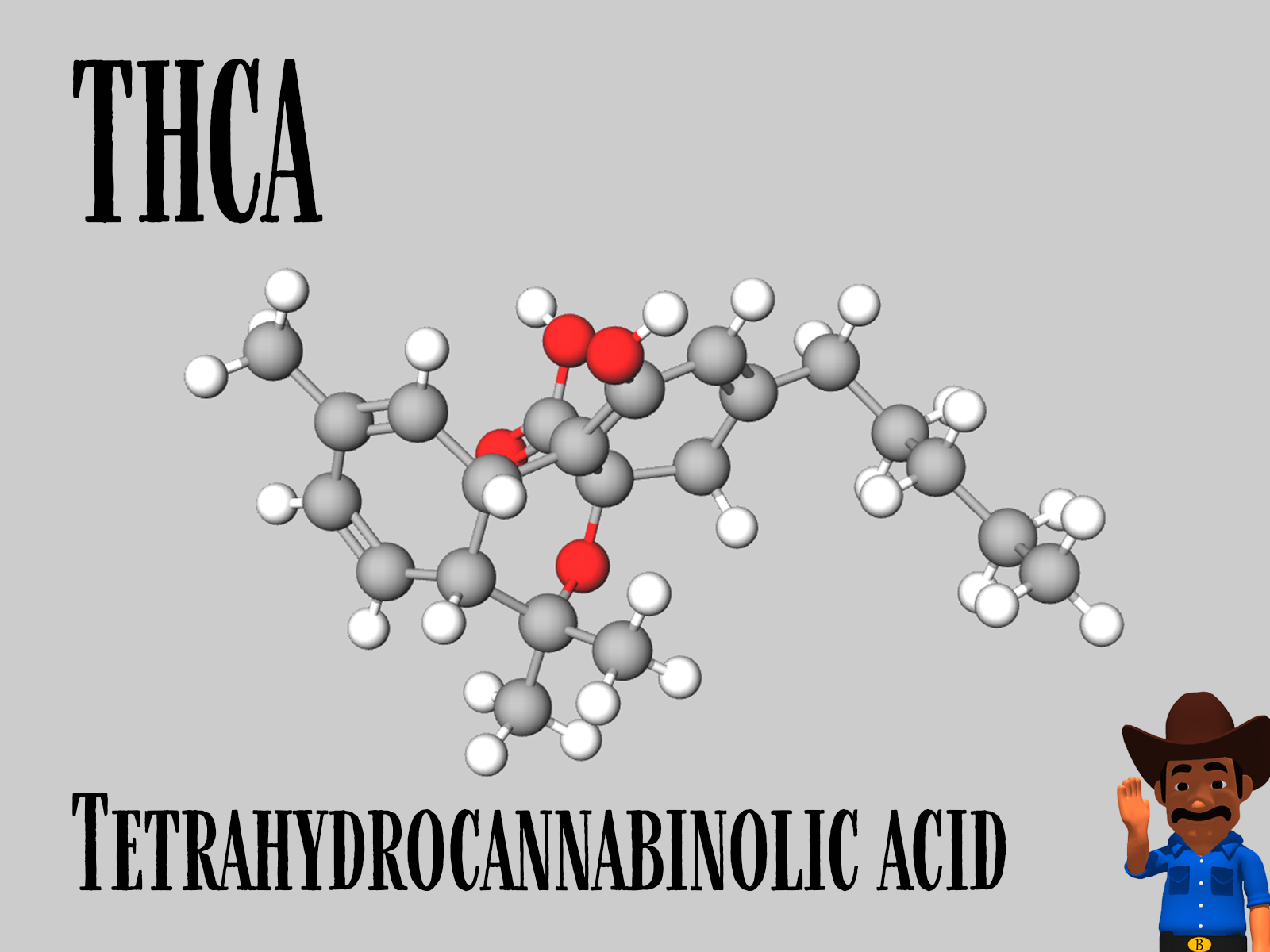
Tetrahydrocannabinolic acid, or THCA, is a cannabinoid found in raw, unheated cannabis plants. Unlike its well-known derivative, Delta-9 tetrahydrocannabinol (THC), THCA is non-intoxicating. It’s the acidic precursor to THC, meaning that THCA must be converted into THC before it produces psychoactive effects. This article provides a comprehensive overview of THCA, explaining what it is, how it works, and its potential (though still emerging) benefits.
What is THCA?
THCA is one of the most abundant cannabinoids found in live or freshly harvested cannabis plants. It’s the primary cannabinoid produced in the trichomes (the resin glands) of the plant. As the plant matures, it synthesizes THCA, which then slowly converts to THC over time, even without heat. This conversion accelerates dramatically when heat is applied, a process called decarboxylation.
Crucially, THCA itself does not produce the “high” associated with cannabis. This is because its molecular structure prevents it from effectively binding to the CB1 receptors in the brain, which are responsible for THC’s psychoactive effects.
THCA can be found in both hemp and marijuana. THCA levels in a sample do not determine a sample’s legality.
Chemical Structure (Simplified)
THCA and THC have very similar chemical structures, but with a key difference: THCA has an extra carboxyl group (COOH) attached to its molecule. This extra group is what prevents it from binding efficiently to CB1 receptors. During decarboxylation (heating), this carboxyl group is released as carbon dioxide (CO2), transforming THCA into THC.
Interaction with the Endocannabinoid System (ECS)
The endocannabinoid system (ECS) is a complex cell-signaling system found in all mammals, playing a crucial role in regulating various physiological processes, including:
- Mood
- Sleep
- Appetite
- Pain sensation
- Inflammation
- Immune response
- Memory
The ECS consists of:
- Endocannabinoids: Naturally produced compounds in the body that bind to cannabinoid receptors.
- Cannabinoid Receptors: CB1 receptors (primarily in the brain and central nervous system) and CB2 receptors (primarily in the immune system and peripheral tissues).
- Enzymes: Break down endocannabinoids after they’ve performed their function.
Unlike THC, which directly binds to CB1 receptors, THCA’s interaction with the ECS is less direct and less understood. Because it doesn’t bind well to CB1 receptors, it doesn’t produce a “high.” However, research suggests that THCA may still interact with the ECS and other receptors in the body through different mechanisms, potentially offering various therapeutic benefits. These mechanisms are still being investigated, but may include:
- Interaction with TRP channels: THCA may interact with TRP (transient receptor potential) channels, which are involved in pain sensation and inflammation.
- Influence on PPARγ: THCA may activate PPARγ (peroxisome proliferator-activated receptor gamma), which plays a role in regulating metabolism and inflammation.
- Inhibition of certain enzymes: THCA may inhibit enzymes involved in inflammation.
Potential Effects & Research: What the Science Says
Research on THCA is still in its early stages, and much more research is needed. However, preliminary studies and anecdotal evidence suggest some potential therapeutic benefits. It’s important to note that most of these studies are pre-clinical (using cells or animals), and human trials are limited.
Here are some areas of investigation:
- Anti-inflammatory Effects: Some studies suggest that THCA may have potent anti-inflammatory properties, potentially stronger than those of THC or CBD.
- Neuroprotective Properties: THCA may have neuroprotective effects, potentially protecting brain cells from damage. This is being explored for conditions like Huntington’s disease and other neurodegenerative disorders.
- Anti-emetic Effects (Nausea and Vomiting): Some research suggests that THCA may help reduce nausea and vomiting, potentially even more effectively than THC.
- Anti-proliferative Effects (Cancer): Some in vitro studies (using cells in a lab) suggest that THCA may have anti-proliferative effects on certain cancer cells, meaning it might slow down their growth. This is very preliminary and does not mean THCA is a cancer cure.
THCA Products and How to Use Them
Since THCA converts to THC when heated, consuming THCA requires methods that avoid heat. Common THCA products and consumption methods include:
- Raw Cannabis Juice: Juicing fresh, uncured cannabis leaves and buds preserves the THCA content.
- THCA Tinctures: Some tinctures are specifically formulated to contain THCA, using methods that avoid heat during extraction and processing.
- THCA Isolates/Crystals: Similar to CBD isolate, THCA isolate is a pure crystalline form of THCA.
- Raw Cannabis Flower: Simply eating raw cannabis flower will provide THCA, but this is not a common or palatable method for most people.
- Topicals: Applied to skin.
Dosage: There are no established dosage guidelines for THCA. As with any cannabis product, it’s best to start with a very low dose and gradually increase it as needed, while monitoring for any effects or side effects. Consulting with a healthcare professional knowledgeable about cannabis is always recommended.
Potential Side Effects
THCA is generally considered to be non-intoxicating and well-tolerated. However, there is limited research on its potential side effects. Some possible side effects, based on anecdotal reports and the known effects of other cannabinoids, could include:
- Drowsiness (though less likely than with THC)
- Dry mouth
- Changes in appetite
- Interactions with other medications (this is always a concern with cannabinoids)
It’s essential to be cautious and consult with a doctor, especially if you have any underlying health conditions or are taking other medications.
THCA Summary
THCA is a fascinating and potentially valuable cannabinoid that offers a different perspective on the cannabis plant. While it doesn’t provide the psychoactive effects of THC, its potential therapeutic benefits, particularly in the areas of inflammation and neuroprotection, are promising. As research continues, we’ll gain a better understanding of THCA’s full potential and how it can be used to promote health and well-being. As with all cannabis information, rely on scientific studies, and consult a professional.
