
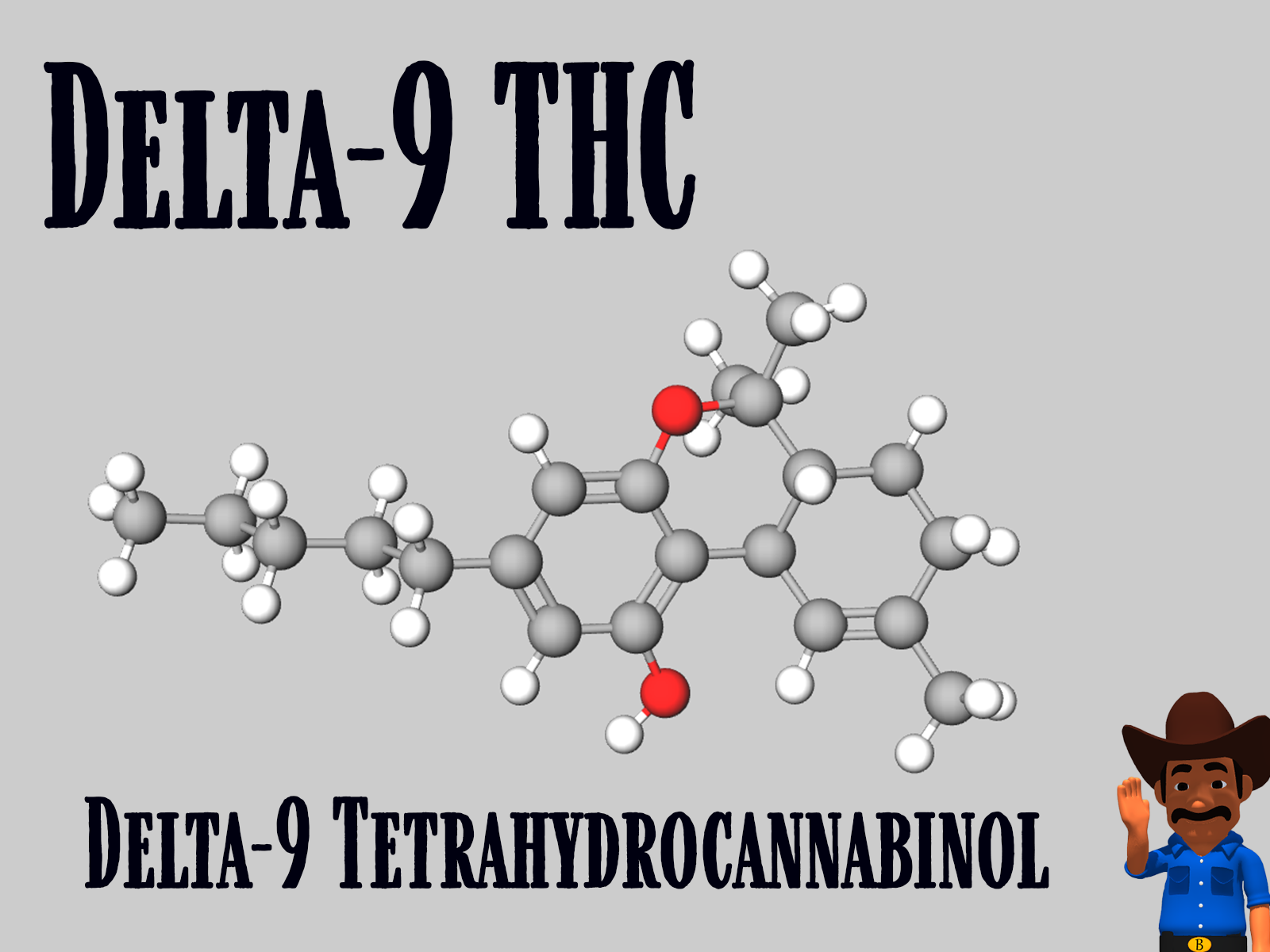
Delta-9-tetrahydrocannabinol, commonly known as Delta-9 THC or simply THC, is the primary psychoactive compound found in the cannabis plant. It’s responsible for the characteristic “high” associated with cannabis consumption, and it’s the cannabinoid that most people think of when they hear the term “THC.” This article provides a comprehensive overview of Delta-9 THC, explaining what it is, how it works, its potential effects, and important legal considerations.
What is Delta-9 THC?
Delta-9 THC is one of over 100 cannabinoids found in the cannabis plant. It’s the most abundant psychoactive cannabinoid, meaning it’s the main compound responsible for altering perception, mood, consciousness, cognition, and behavior. While other cannabinoids, like CBD, may have therapeutic benefits, Delta-9 THC is primarily known for its intoxicating effects.
Delta-9 THC is produced in the plant’s trichomes (the resin glands) in its acidic form, THCA (tetrahydrocannabinolic acid). THCA is non-intoxicating. When cannabis is heated – through smoking, vaping, or cooking – THCA undergoes a process called decarboxylation, which converts it into Delta-9 THC.
Chemical Structure (Simplified)
Delta-9 THC has a chemical structure that allows it to bind effectively to specific receptors in the brain, primarily the CB1 receptors. This binding is what triggers the cascade of effects that lead to the “high.” The chemical structure is similar to that of anandamide, an endocannabinoid naturally produced by the body, which also binds to CB1 receptors.
Interaction with the Endocannabinoid System (ECS)
Delta-9 THC interacts primarily with the endocannabinoid system (ECS), a complex cell-signaling system found in all mammals. The ECS plays a vital role in regulating a wide range of physiological processes, including:
- Mood
- Sleep
- Appetite
- Pain sensation
- Inflammation
- Immune response
- Memory
- Cognition
The ECS consists of:
- Endocannabinoids: Naturally produced compounds in the body that bind to cannabinoid receptors (e.g., anandamide).
- Cannabinoid Receptors: CB1 receptors (primarily found in the brain and central nervous system) and CB2 receptors (primarily found in the immune system and peripheral tissues).
- Enzymes: Break down endocannabinoids after they’ve carried out their function.
Delta-9 THC primarily binds to CB1 receptors, which are highly concentrated in areas of the brain associated with:
- Pleasure and Reward: The mesolimbic pathway, often called the “reward pathway,” is heavily influenced by THC, leading to feelings of euphoria.
- Memory and Learning: The hippocampus, crucial for memory formation, is rich in CB1 receptors. THC can interfere with short-term memory.
- Motor Control: The basal ganglia and cerebellum, involved in movement coordination, are also affected by THC, leading to potential impairments in coordination and reaction time.
- Appetite: THC can stimulate appetite (the “munchies”) by affecting areas of the brain that regulate hunger.
Unlike CBD, which has a more indirect and complex interaction with the ECS, Delta-9 THC’s direct binding to CB1 receptors is the primary reason for its potent psychoactive effects.
Potential Effects & Research
Delta-9 THC’s effects can vary significantly depending on the dose, the individual’s tolerance, the method of consumption, and the presence of other cannabinoids and terpenes (the entourage effect).
Common Effects:
- Euphoria: Feelings of happiness, well-being, and elation.
- Altered Perception: Changes in sensory perception (e.g., colors may seem brighter, sounds may seem louder).
- Relaxation: A sense of calm and relaxation.
- Increased Appetite: Stimulation of appetite (“the munchies”).
- Impaired Short-Term Memory: Difficulty remembering recent events.
- Impaired Coordination and Reaction Time: Reduced motor skills and slower reaction times.
- Anxiety or Paranoia (in some individuals, especially at high doses): Feelings of unease, anxiety, or paranoia.
Potential Therapeutic Uses (with appropriate medical supervision):
- Pain Relief: THC can be effective in managing various types of pain, including chronic pain, neuropathic pain, and cancer pain.
- Nausea and Vomiting Relief: THC (often in the form of synthetic versions like dronabinol) is used to treat nausea and vomiting associated with chemotherapy.
- Appetite Stimulation: THC can help stimulate appetite in individuals with conditions that cause appetite loss, such as HIV/AIDS or cancer.
- Muscle Spasticity Reduction: THC may help reduce muscle spasms associated with conditions like multiple sclerosis.
- Glaucoma: THC can lower intraocular pressure, which may be beneficial for some individuals with glaucoma (although other treatments are typically preferred).
- PTSD:
Important Note: While THC has potential therapeutic benefits, it’s crucial to use it responsibly and under the guidance of a healthcare professional, especially for medical purposes.
Delta-9 THC Products and How to Use Them
Delta-9 THC is available in a wide range of products, including:
- Cannabis Flower: The traditional method of consumption (smoking or vaping).
- Concentrates: (Shatter, wax, oil, live resin) – High-potency extracts that are typically vaporized (dabbed).
- Edibles: (Gummies, chocolates, baked goods) – Offer a longer-lasting, but often more intense, effect.
- Tinctures: Liquid extracts that are taken sublingually (under the tongue).
- Topicals: Creams and lotions infused with THC (typically for localized pain relief, not psychoactive effects).
- Capsules: Taken like a pill.
Dosage: Dosage varies greatly depending on the product, the individual’s tolerance, and the desired effects. It’s always recommended to start with a very low dose, especially with edibles, and gradually increase it only if needed.
Potential Side Effects
- Short-Term:
- Dry mouth
- Red eyes
- Increased heart rate
- Anxiety or paranoia
- Impaired coordination and reaction time
- Short-term memory impairment
- Long-Term (with heavy, chronic use):
- Potential for dependence or addiction
- Possible cognitive impairments (especially in adolescents)
- Respiratory problems (if smoked)
- Increased risk of mental health issues (in individuals predisposed to them)
Legal Considerations
The legal status of Delta-9 THC varies widely across the world and even within countries.
- United States: Delta-9 THC is federally illegal under the Controlled Substances Act. However, many states have legalized it for medical and/or recreational use. The 2018 Farm Bill legalized hemp, defined as cannabis containing less than 0.3% Delta-9 THC by dry weight. This has created a legal gray area for products containing high levels of THCA, which converts to Delta-9 THC when heated.
- Other Countries: Laws vary widely. Some countries have fully legalized cannabis, while others have strict prohibitions.
It’s crucial to be aware of the laws in your specific location before possessing or using any product containing Delta-9 THC.
Delta-9 THC Summary
Delta-9 THC is the primary psychoactive cannabinoid in cannabis, responsible for the “high.” It interacts with the endocannabinoid system, primarily by binding to CB1 receptors in the brain. While it has potential therapeutic benefits, it also carries risks, especially with high doses or chronic use. Understanding the effects, mechanisms, and legal status of Delta-9 THC is essential for responsible cannabis consumption.
