
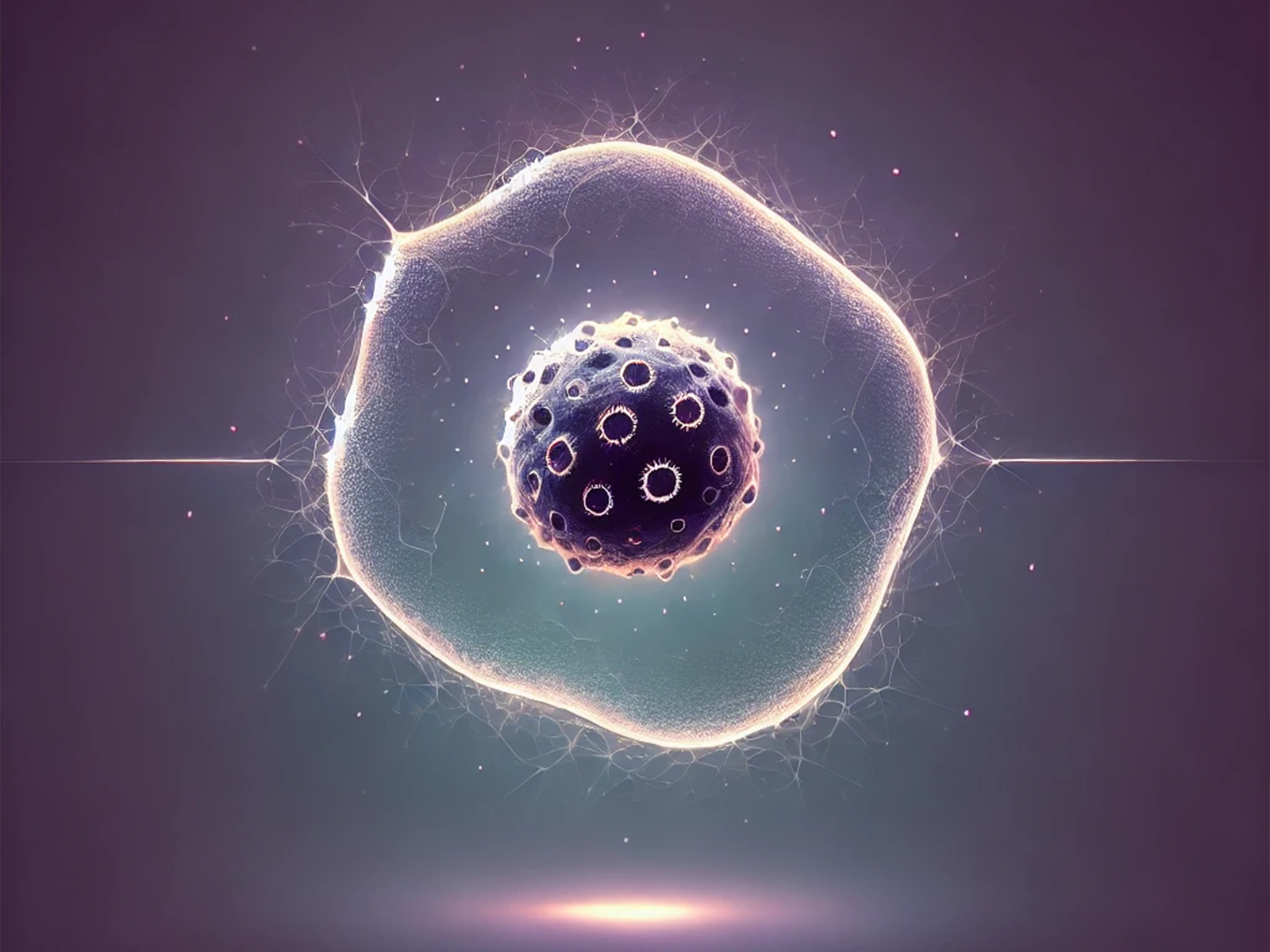
Cancer, Alzheimer’s, heart disease, diabetes, autoimmune conditions, even long-haul post-viral syndromes – they seem like vastly different battles fought on separate fronts within our bodies. We often focus on their unique symptoms and triggers. But what if many of these chronic ailments share a hidden, underlying connection at the cellular level?
A compelling new framework, the Hypotriploid Model, suggests just that. It proposes that a specific type of damaged, dysfunctional cell – the hypotriploid cell – might be a central player, a common thread weaving through the complex tapestry of many chronic diseases and even the aging process itself.
Meet the Hypotriploid Cell: The Persistent Instigator
Let’s break down what makes these cells unique and potentially problematic. Unlike normal, healthy diploid cells with two sets of chromosomes, hypotriploid cells are defined by:
- Genomic Instability: They are hypotriploid, meaning they have an abnormal number of chromosomes – fewer than three full sets, but more than two. This isn’t just a simple error; it’s a state of ongoing chromosomal instability (CIN), like a faulty blueprint leading to continuous errors. This often involves losing critical “guardian” genes (like tumor suppressors) while potentially retaining growth-promoting ones.
- Immune Evasion: These cells are masters of disguise. They deploy various tactics – like reducing “ID badges” (MHC molecules) or activating “don’t attack me” signals (PD-L1, CD47) – to hide from or actively suppress the immune system that would normally clear them out.
- Metabolic Flexibility: They can rewire their energy production, often favoring inefficient sugar fermentation (glycolysis, the Warburg effect) or switching to burning fats or even self-cannibalism (autophagy) to survive in stressful environments like inflamed tissues or low-oxygen zones.
- Resistance to Death: Hypotriploid cells are stubborn. They resist normal self-destruct signals (apoptosis) and are particularly adept at surviving oxidative stress-induced death (ferroptosis) by boosting their internal antioxidant defenses (like GPX4).
- Chronic Inflammation: While evading destruction, they often secrete a cocktail of inflammatory signals, contributing to the persistent, low-grade inflammation that underlies many chronic conditions.
How Do These Rogue Cells Emerge and Persist?
The Hypotriploid Model suggests these cells arise from a combination of factors:
- The “Cost of Living”: Normal biological processes like energy production (creating ROS), cell division (risk of errors), and minor inflammation generate unavoidable cellular stress over time.
- Key Accelerants: Certain factors dramatically increase the formation and survival of hypotriploid cells:
- Viral Integration: Persistent viruses (HPV, EBV, CMV, HHV-6, etc.) can physically insert their genetic material into ours, causing DNA damage, disrupting cell cycle control, and helping infected cells hide from immunity.
- Environmental Toxins: Heavy metals, pollutants, and endocrine disruptors damage DNA and impair immune function.
- Microbiome Disruption: An unhealthy gut microbiome fuels systemic inflammation and weakens immune surveillance.
- Lifestyle Factors: Chronic stress, poor diet (high sugar/processed foods), and inactivity contribute to oxidative stress and inflammation.
- Potential LNP Role: The model also notes ongoing research into whether systemically distributed lipid nanoparticles (from some drug/vaccine platforms) might contribute via cellular stress and immune modulation.
Their persistence is enabled by their “superpowers” – immune evasion, metabolic adaptability, and resistance to death signals. They essentially create a niche for themselves, often fueled by the very inflammation they help perpetuate.
The Hypotriploid Link: Connecting Diverse Diseases
This is where the model becomes truly compelling. The accumulation of these persistent, dysfunctional hypotriploid cells is proposed as a common mechanism driving pathology across a wide spectrum of diseases:
- Cancer: Hypotriploid cells fuel genomic instability, drive tumor diversity, suppress anti-tumor immunity, adapt metabolism for growth in harsh TMEs, and develop resistance to chemotherapy and immunotherapy.
- Neurodegenerative & Psychological Disorders (Alzheimer’s, Parkinson’s, MS, Depression, Autism, etc.): They contribute to chronic neuroinflammation, damage neurons through oxidative stress, disrupt neurotransmitter balance, and potentially weaken the blood-brain barrier.
- Cardiovascular Diseases (CAD, Heart Failure, Hypertension, Stroke, AFib): They promote endothelial dysfunction, vascular inflammation, arterial stiffness, fibrosis, and plaque instability.
- Metabolic & Endocrine Disorders (Diabetes, Obesity, MetS, NAFLD, Thyroid Issues): They drive insulin resistance, disrupt lipid metabolism, cause chronic inflammation in adipose tissue and liver, and interfere with hormonal signaling.
- Autoimmune & Inflammatory Diseases (Lupus, RA, IBD, Psoriasis, Asthma, etc.): They perpetuate cycles of inflammation, evade immune clearance (contributing to tolerance breakdown), and damage tissues.
- Infectious Disease Complications & Aging: They may create reservoirs for latent viruses/bacteria, contribute to post-viral syndromes through persistent immune suppression/inflammation, and are seen as a fundamental driver of the “inflammaging” and functional decline associated with aging.
Instead of viewing each disease in isolation, the Hypotriploid Model suggests we look for the presence and activity of these underlying rogue cells.
Shifting Focus: Detection and Targeting
If hypotriploid cells are a common driver, then detecting and targeting them offers a powerful new therapeutic strategy applicable across multiple conditions.
- Detection: Researchers are developing ways to identify these cells through blood tests (looking for specific DNA signatures or surface markers), advanced imaging (tracking metabolic activity), and analyzing tissue biopsies. Quantifying the “hypotriploid burden” could become a valuable biomarker for disease risk and progression.
- Targeting: The unique vulnerabilities of hypotriploid cells provide avenues for attack:
- Restoring Immunity: Using checkpoint inhibitors or agents that activate NK cells and macrophages.
- Metabolic Disruption: Inhibiting their preferred fuel pathways (like glycolysis).
- Inducing Ferroptosis: Overcoming their resistance to oxidative stress death by targeting pathways like GPX4.
- Senolytics: Clearing out related senescent cells.
- Lifestyle & Microbiome: Foundational support through diet, exercise, stress reduction, and gut health.
Conclusion: A Unifying Perspective on Health and Disease
The Hypotriploid Model presents a potentially transformative shift in how we understand health, aging, and chronic disease. It suggests that the accumulation of specific, genomically unstable, and persistent hypotriploid cells could be a fundamental process linking conditions we previously thought were disparate.
While more research is crucial, this framework offers immense hope. By focusing on detecting and eliminating these underlying cellular instigators, we may move beyond simply managing symptoms towards developing interventions that address the root causes of many debilitating diseases, ultimately promoting longer, healthier lives.
